
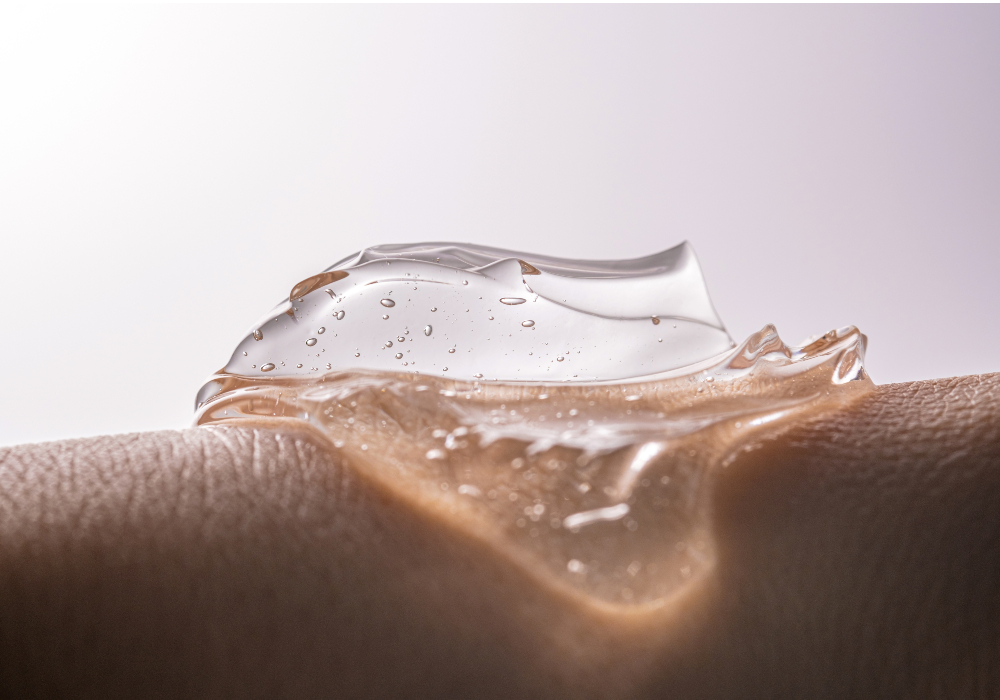
Panthenol Is So Easy to Love, No Matter Your Skin Type
NewBeauty Facebook Pinterest Instagram Youtube find a doctor Face Adult Acne Antioxidants Anti-Aging Celebrity Chronic Skin Conditions Eye Hydration Hyperpigmentation Makeup View All Eyebrows Eye Color Foundation Fragrance Lip Color Makeovers Male Skin Care Peels Pre-Event Prep Sensitive Skin Skin Care Skin Health Smile Sun Care Treatments Fillers Microneedling Post-Procedure Skin Care Neurotoxins Regenerative Aesthetics Skin Lifting Body Body Sculpting Breasts Butts Cellulite Hair Removal Hands + Nails Legs Pregnancy Find a Doctor Hair Bond Repair Celebrity Dry Hair Frizzy Hair Gray Hair Hair Color Hair Growth Hair Repair Scalp Health Styling + Tips Awards NB100 Awards 15th Annual Beauty Awards 2025 NewBeauty Readers’ Choice Awards Shopping Gift Guides Product Reviews NewBeauty Storefront Wellness Fitness GLP-1s Health Menopause About Us TESTTUBE Search for: Search HomeFaceSkin Care Panthenol Is So Easy to Love, No Matter Your Skin Type Meet the underrated barrier booster your routine might be missing. Marisa Petrarca Published: Feb 18, 2026 Getty Images / Mariya Borisova In This Article Featured ExpertsWhat Does Panthenol Do for Skin?Panthenol vs. Hyaluronic Acid, Glycerin and CeramidesIs Panthenol Safe to Use With Retinoids and Acids?What Concentration of Panthenol Is Effective?The Best Panthenol Products Worth Adding to Your Routine You could study the ABCs of skin care and still overlook a few key ingredients. That said, there’s no pressure to memorize every single one, but understanding the heavy hitters, like panthenol, can make choosing the right products much easier. At its most basic, panthenol is a form of pro-vitamin B5 and a humectant, meaning it draws water into the skin, used in topical formulas to hydrate, soothe irritation and support the skin barrier. Ahead, two experts unpack how panthenol functions in skin care, how it compares to other hydrators and when to use it.