
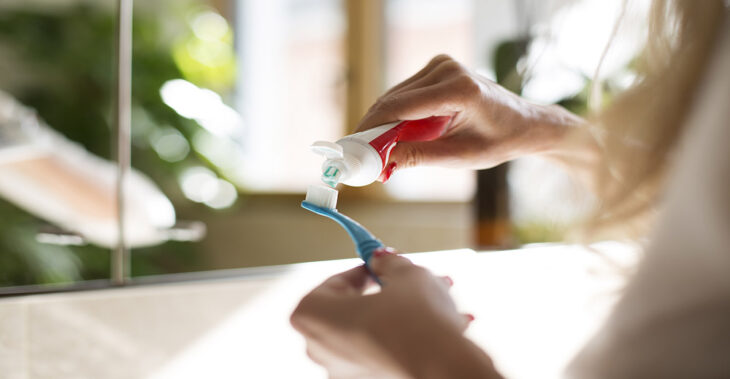
Nano-Hydroxyapatite vs. Fluoride: What Dentists Say
NewBeauty Facebook Pinterest Instagram Youtube find a doctor Face Adult Acne Antioxidants Anti-Aging Celebrity Chronic Skin Conditions Eye Hydration Hyperpigmentation Makeup View All Eyebrows Eye Color Foundation Fragrance Lip Color Makeovers Male Skin Care Peels Pre-Event Prep Sensitive Skin Skin Care Skin Health Smile Sun Care Treatments Fillers Microneedling Post-Procedure Skin Care Neurotoxins Regenerative Aesthetics Skin Lifting Body Body Sculpting Breasts Butts Cellulite Hair Removal Hands + Nails Legs Pregnancy Find a Doctor Hair Bond Repair Celebrity Dry Hair Frizzy Hair Gray Hair Hair Color Hair Growth Hair Repair Scalp Health Styling + Tips Awards NB100 Awards 15th Annual Beauty Awards 2025 NewBeauty Readers’ Choice Awards Shopping Gift Guides Product Reviews NewBeauty Storefront Wellness Fitness GLP-1s Health Menopause About Us TESTTUBE Search for: Search HomeSmileWhitening Nano-Hydroxyapatite vs. Fluoride: What Dentists Say The right choice isn’t one-size-fits-all. Jessica Fields Published: Feb 24, 2026 Getty Images / Kathrin Ziegler In This Article Featured ExpertsWhat Is Nano-Hydroxyapatite Toothpaste?How Does Nano-Hydroxyapatite Compare to Fluoride?Who Nano-Hydroxyapatite Toothpastes Work Best ForThe Bottom Line Fluoride toothpastes have long been the go-to for strengthening and protecting teeth. But as more consumers seek alternative formulas, nano-hydroxyapatite toothpastes are gaining popularity. In addition to helping ease sensitivity, they may also whiten your teeth. If you’re considering making the switch, it helps to understand the science first. Below, two cosmetic dentists weigh in on the rise of nano-hydroxyapatite and how to choose the right formula for you. Hydroxyapatite is a synthetic form of calcium phosphate, the primary mineral that makes up nearly 97 percent of tooth enamel. As New York-based board-certified cosmetic dentist Husam Almunajed, DDS explains, scientists have engineered ultra-small particles of this compound, hence the name nano-hydroxyapatite (nHA). When incorporated into toothpaste, these particles can deliver several benefits.